LXPCloud Architecture for Device Telemetry
How LXPCloud structures device messages, dashboards, automations, and digital twins so connected products can grow without losing clarity.
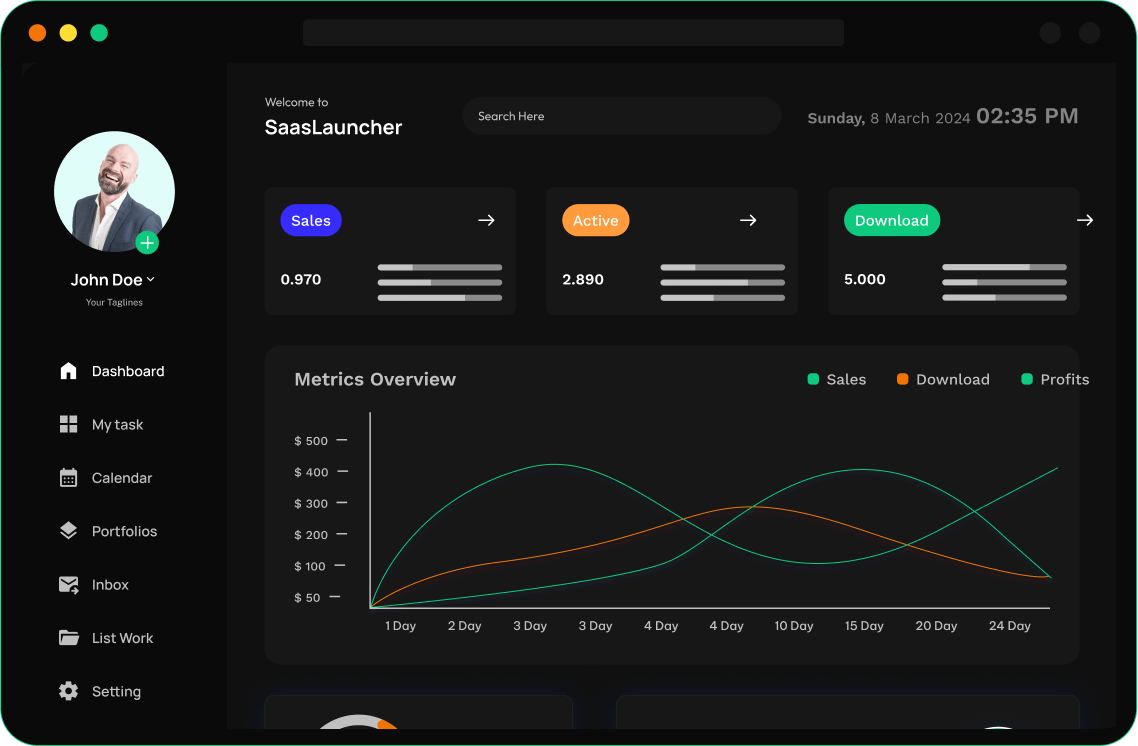
A connected product becomes difficult to manage when every device, dashboard and automation speaks a different language. LXPCloud is designed around a cleaner model: devices publish telemetry, the platform gives that telemetry context, and users interact with it through dashboards, digital twins and automation rules.
Telemetry first, screens second
The dashboard is the visible part, but the architecture begins before the chart. Device identity, message format, timestamp quality, user ownership and event history all need to be reliable. When those foundations are clear, dashboards become a natural output instead of a fragile custom screen.
Core platform layers
- Device agent: connects equipment and normalizes messages before they reach the cloud.
- Telemetry pipeline: stores live and historical values with enough context for analysis.
- Digital twin model: maps raw data to assets, states and operational meaning.
- Automation layer: turns conditions into notifications, actions or AI-assisted workflows.
Why architecture affects product speed
When telemetry is structured well, teams can add new sensors, dashboards and automations without rewriting everything. That is why LXPCloud favors reusable device models, clean APIs and dashboard components that can evolve with the product.
The LexpAI perspective
We build cloud platforms for real operations, not isolated demos. LXPCloud connects embedded software, data infrastructure and user experience so teams can see what their devices are doing, understand why it matters, and act with confidence.
Cloud-native architecture represents a fundamental shift in how we design, build, and deploy applications. Unlike traditional monolithic applications, cloud-native applications are designed from the ground up to take full advantage of cloud computing capabilities, enabling unprecedented levels of scalability, resilience, and agility.
What is Cloud-Native Architecture?
Cloud-native architecture is an approach to building and running applications that fully exploits the advantages of the cloud computing model. It's not just about moving existing applications to the cloud, but about designing applications specifically for cloud environments.
Key characteristics of cloud-native applications include:
- Microservices-based: Applications are broken down into small, independent services
- Containerized: Each service runs in its own container
- Orchestrated: Services are managed using container orchestration platforms
- API-driven: Services communicate through well-defined APIs
- Stateless: Services don't maintain state between requests
Core Principles of Cloud-Native Design
To build truly cloud-native applications, you need to follow several core principles:
1. Microservices Architecture
Microservices break down monolithic applications into smaller, focused services that can be developed, deployed, and scaled independently. Each service:
- Has a single responsibility
- Can be developed and deployed independently
- Can be scaled independently
- Can use different technologies and languages
- Has its own data store when needed
2. Containerization
Containers provide a consistent runtime environment across different platforms. They package applications with all their dependencies, ensuring they run the same way in development, testing, and production.
3. Orchestration
Container orchestration platforms like Kubernetes manage the deployment, scaling, and operation of containerized applications. They provide:
- Automatic scaling based on demand
- Load balancing across multiple instances
- Health checking and self-healing
- Rolling updates and rollbacks
- Service discovery
Designing for Scale
Scalability is one of the primary benefits of cloud-native architecture. Here are key strategies for designing scalable applications:
Horizontal Scaling
Cloud-native applications are designed to scale horizontally by adding more instances of services rather than making individual instances more powerful. This approach:
- Provides better fault tolerance
- Enables cost-effective scaling
- Allows for geographic distribution
- Supports gradual scaling
Stateless Design
Stateless services don't maintain state between requests, making them easier to scale and more resilient. State is externalized to:
- Databases
- Cache systems (Redis, Memcached)
- Message queues
- Object storage
Asynchronous Communication
Using asynchronous communication patterns like message queues and event-driven architecture helps build more scalable and resilient systems:
- Decouples services
- Improves fault tolerance
- Enables better resource utilization
- Supports event sourcing and CQRS patterns
Resilience and Fault Tolerance
Cloud-native applications must be designed to handle failures gracefully. Key patterns include:
Circuit Breaker Pattern
Circuit breakers prevent cascading failures by monitoring for failures and stopping the flow of requests when a threshold is reached.
Retry Patterns
Implementing intelligent retry mechanisms with exponential backoff helps handle transient failures.
Bulkhead Pattern
Isolating different parts of the system prevents failures in one area from affecting others.
Security Considerations
Cloud-native applications require a different approach to security:
- Zero Trust: Never trust, always verify
- Identity and Access Management: Robust IAM for all services
- Network Security: Network policies and service meshes
- Secrets Management: Secure handling of credentials and keys
- Container Security: Scanning for vulnerabilities and compliance
Monitoring and Observability
Cloud-native applications require comprehensive monitoring and observability:
Three Pillars of Observability
- Logs: Structured logging for debugging and analysis
- Metrics: Performance and business metrics
- Traces: Distributed tracing for understanding request flows
Best Practices for Implementation
When implementing cloud-native architecture, consider these best practices:
- Start small: Begin with a few critical services
- Use infrastructure as code: Automate deployment and configuration
- Implement CI/CD: Automated testing and deployment pipelines
- Design for failure: Assume everything will fail
- Monitor everything: Comprehensive observability from day one
- Security first: Integrate security into every layer
Conclusion
Cloud-native architecture is not just a technology choice, but a fundamental shift in how we think about building applications. By embracing these principles and patterns, organizations can build applications that are more scalable, resilient, and maintainable.
At LexpAI, we specialize in helping organizations transition to cloud-native architectures. Our expertise in microservices, containerization, and cloud platforms enables us to design and implement scalable solutions that drive business value.